

Ebola Outbreak Sparks Regional Health Emergency in DRC, Uganda
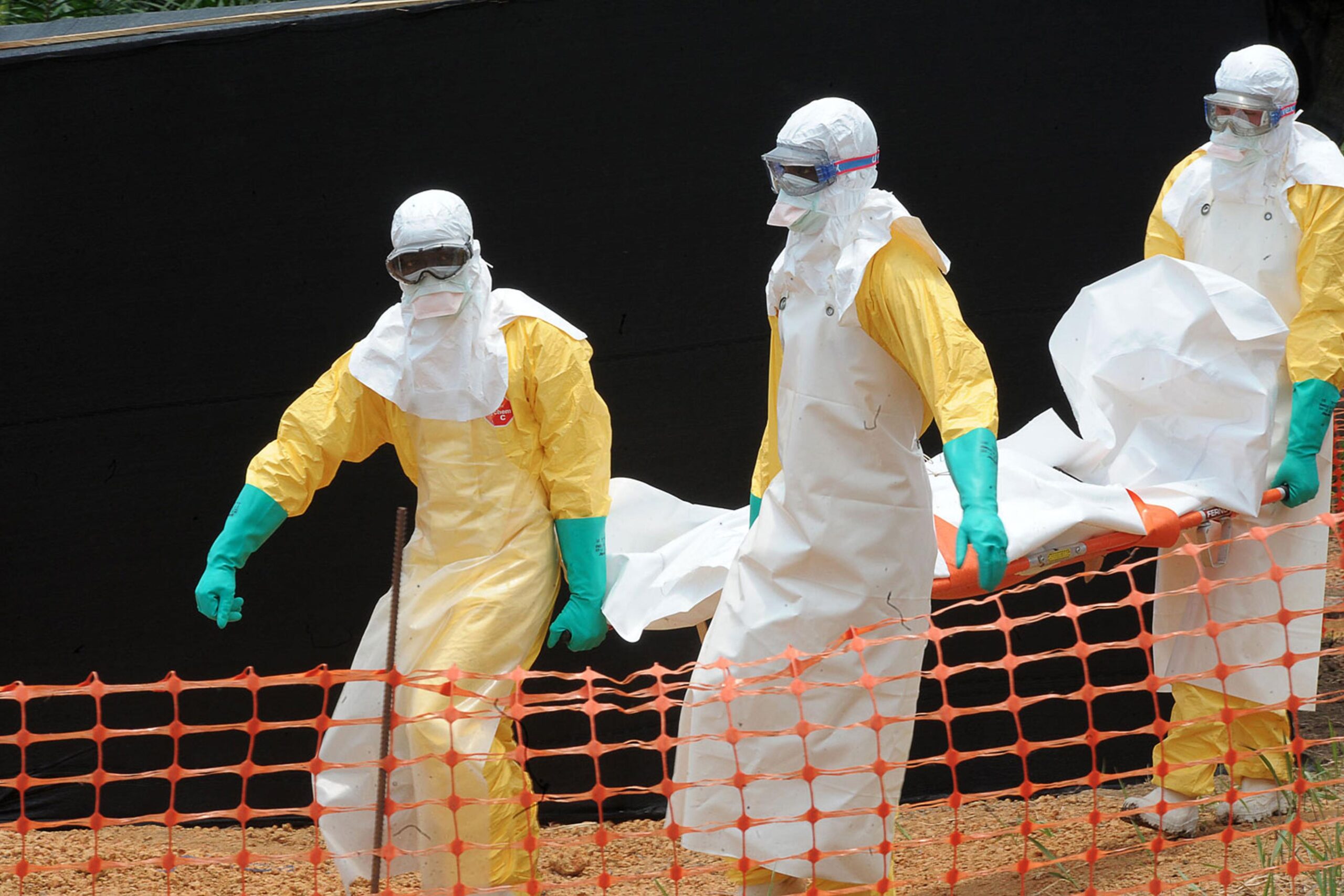
A fresh outbreak of Ebola Virus Disease has triggered renewed health concerns across Central and East Africa after authorities in the Democratic Republic of Congo (DRC) confirmed dozens of deaths linked to the deadly virus, while neighboring Uganda reported an imported fatal case in Kampala.
Health authorities and international agencies say the outbreak is centered in Ituri Province in eastern DRC, where at least 65 people have reportedly died and over 240 suspected cases have been recorded. Preliminary laboratory investigations identified the Bundibugyo strain of Ebola, a rarer variant for which there is currently no licensed vaccine.
According to the Africa Centres for Disease Control and Prevention, the outbreak has heavily affected the Mongwalu and Rwampara health zones, while suspected infections have also emerged in Bunia, a key city near the Ugandan border.
Uganda’s Ministry of Health confirmed that a Congolese national infected with the virus died in an intensive care unit in Kampala after crossing into the country from DRC. Officials described the case as imported, but fears remain high over possible cross-border transmission due to the movement of traders, refugees and travelers between the two countries.
The World Health Organization (WHO), Africa CDC, and the United States Centers for Disease Control and Prevention (CDC) have all mobilized emergency response teams to assist health authorities in containing the outbreak through surveillance, contact tracing, testing, and public awareness campaigns.
WHO confirmed that 13 laboratory-tested cases have so far returned positive results for Ebola in the DRC outbreak, while emergency funding has been released to support containment efforts.
Public health experts warn that the outbreak presents serious challenges because the affected areas are already plagued by armed conflict, displacement, poor healthcare infrastructure and difficult terrain. These conditions are expected to complicate access to infected communities and slow containment operations.
Ebola is a severe viral hemorrhagic disease transmitted through direct contact with infected body fluids or contaminated materials. Symptoms commonly include fever, weakness, vomiting, diarrhea, and in severe cases, internal bleeding. The disease has historically recorded fatality rates ranging between 25 and 90 percent depending on the outbreak and speed of intervention.
The DRC has experienced multiple Ebola outbreaks since the virus was first identified in the country in 1976. Health agencies say this latest outbreak is the country’s 17th recorded Ebola emergency.
Regional health authorities from DRC, Uganda, and South Sudan have since convened emergency coordination meetings aimed at strengthening border surveillance and preventing wider spread across the region.