

Breaking News: VDM Warns Nigerians as Adeleke Backs Tinubu’s 2027 Bid, Raises Alarm Over Political Elitehttps://clanreporters.com/2026/10/15/vdm-warns-nigerians-as-adeleke-backs-tinubus-2027-bid-raises-alarm-over-political-elite/
By Davidson Ogbebor
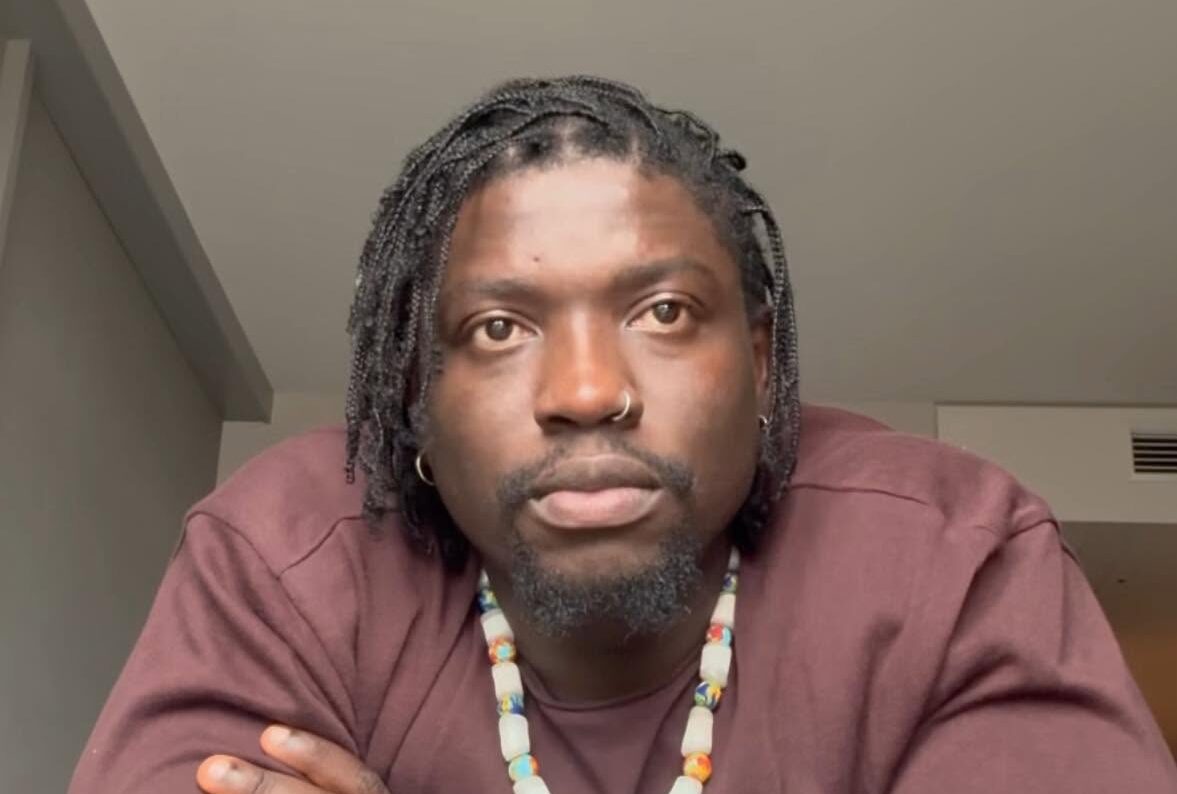
ABUJA — Social media activist Martins Vincent Otse, popularly known as VeryDarkMan (VDM), has warned Nigerians to pay closer attention to the country’s political climate ahead of the 2027 general election, arguing that political alliances and the conduct of powerful officeholders raise serious questions about the future of democracy.
VDM’s warning comes amid renewed debate over the relationship between Osun State Governor Ademola Adeleke, President Bola Ahmed Tinubu and Federal Capital Territory Minister Nyesom Wike, following Adeleke’s public endorsement of Tinubu’s re-election bid and his participation in the President’s political campaign.
On Wednesday, October 14, 2026, Adeleke attended the inauguration of the All Progressives Congress Presidential Campaign Council and reaffirmed his support for Tinubu’s second-term ambition. The development has drawn attention because Adeleke won re-election in Osun on the platform of the Accord Party, while Tinubu remains the leader of the ruling APC.
In his reaction from his Facebook page to the broader political situation, VDM has questioned what he considers the growing influence of political calculations, elite alliances and the apparent confidence of powerful politicians about future election outcomes. He has urged Nigerians, particularly young people, to look beyond party labels and recognise how political interests can converge even among leaders who publicly appear to be opponents.

The activist’s concerns have also been amplified by his recent criticism of Wike over remarks attributed to the FCT minister concerning the 2027 election. In a video circulated on social media, VDM accused the political establishment of encouraging impunity and warned that the outcome of the next presidential election should not be treated as predetermined.
“The masses are bigger than all of you. Nobody knows the outcome of the 2027 election because you people have pushed Nigerians to the wall,” VDM said in remarks reported by Nigerian media.
He also criticised the tendency of Nigerians to allow ethnic and religious differences to divide them, arguing that such divisions could weaken the public’s ability to demand accountability from political leaders. His message was that citizens should judge politicians by their actions, policies and commitment to democratic principles rather than by party loyalty, religion or ethnicity.
The debate surrounding Adeleke’s endorsement has further intensified questions about political consistency and the relationship between electoral competition and elite cooperation. After winning the August 15 Osun governorship election, Adeleke thanked Tinubu for what he described as support for a free and fair process and reaffirmed his backing for the President’s 2027 ambition.
Adeleke has explained that his support for Tinubu is based on regional considerations and his desire for the President to continue development projects in the South-West. He has denied reaching a prior agreement with the President over the endorsement. His campaign council has also rejected suggestions that the decision resulted from a secret political bargain.
Nevertheless, the episode has fuelled public debate over whether political differences among Nigeria’s leading officeholders always translate into competing interests when questions of power, influence and future electoral calculations arise.
For VDM and other critics of the political establishment, the concern is not simply whether one governor supports a president from another political party. It is whether citizens can trust the political process to reflect their choices when influential politicians maintain relationships across party lines and make statements that appear to suggest confidence about future electoral outcomes.
The warning is particularly significant as political actors begin positioning themselves for the 2027 general election, with questions already emerging about the independence of electoral institutions, the conduct of campaigns and the ability of voters to determine the direction of government through the ballot box.
However, political alliances alone do not establish evidence of electoral manipulation or a coordinated plan by the political elite. Such claims must be assessed against verifiable facts, official records and the conduct of the relevant institutions. The central democratic test remains whether elections are conducted transparently and whether votes are counted and declared according to the law.
VDM’s intervention has therefore renewed a broader question for Nigerians: should political loyalty take precedence over public accountability, or should citizens insist that every politician, regardless of party affiliation or access to power, remains answerable to the electorate?
As the 2027 election approaches, the activist’s message is a call for vigilance. Nigerians, he argues, must avoid being distracted by political drama, personality conflicts and ethnic or religious sentiment. Instead, they should scrutinise political promises, demand credible elections and recognise that the ultimate authority in a democracy belongs to the people.
For a country facing deep economic and social pressures, the challenge will be to translate public frustration into informed civic participation, peaceful political engagement and sustained demands for accountability. Whether the political class can maintain public confidence will depend not on campaign speeches alone, but on its respect for democratic institutions and the electorate’s right to choose its leaders.