
Egor First: Ten Months of Purposeful Leadership and the Road Ahead
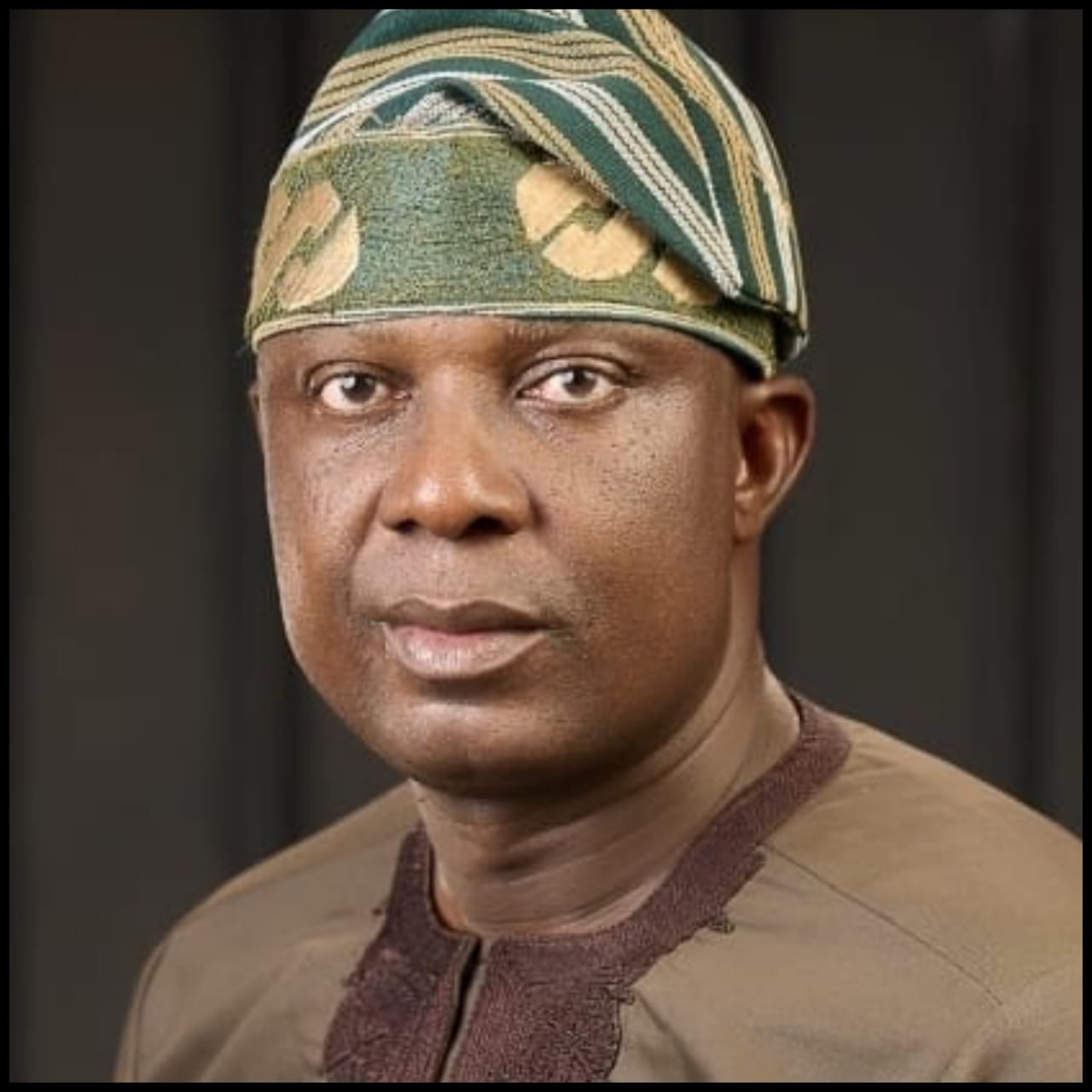
Osaro Eribo’s administration lays foundation for cleaner, safer and more developed Egor
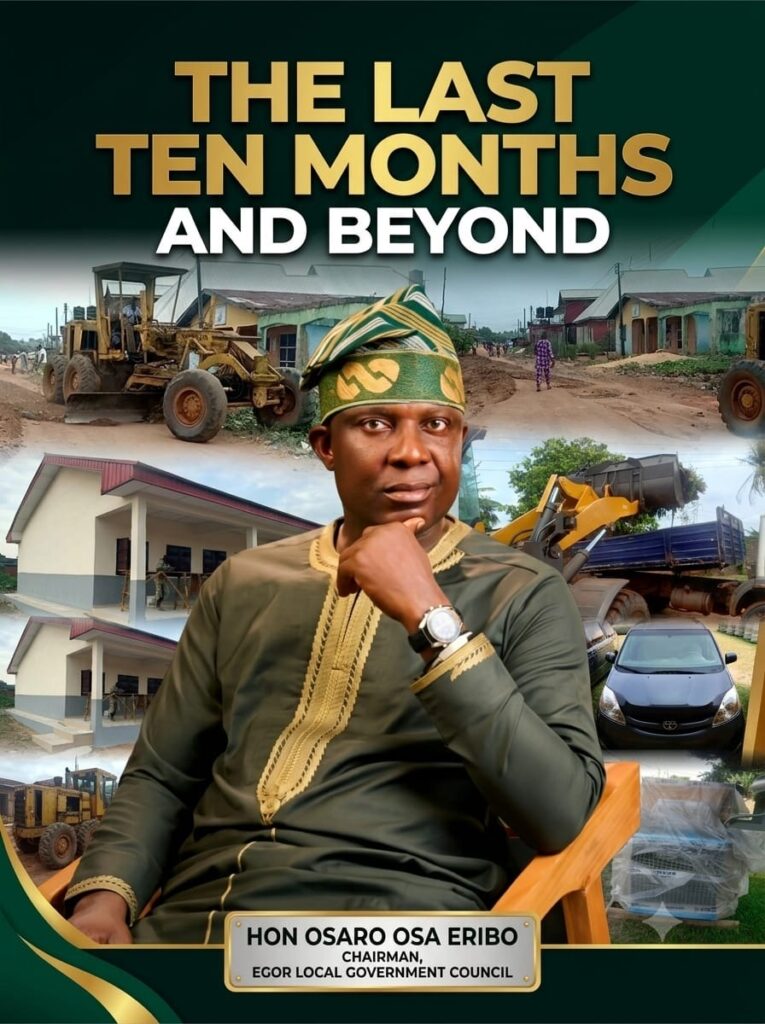
The last ten months of Hon. Osaro Osa Eribo’s administration as Executive Chairman of Egor Local Government Council have marked a period of renewed attention to grassroots development, community engagement and practical service delivery. Guided by the “Egor First” agenda and aligned with the development vision of the Edo State Government, the administration has focused on areas that directly affect residents, including environmental sanitation, security, roads and drainage, electricity, education, markets and institutional capacity. While the challenges of a densely populated local government remain substantial, the administration maintains that the interventions undertaken so far are intended to establish a foundation for sustained development rather than provide temporary solutions.
One of the most visible areas of intervention has been environmental sanitation through Operation Clean Egor, with intensified refuse evacuation and cleaning activities across communities and major commercial centres, including Uselu Market. The Council has also undertaken drainage desilting and debris evacuation, including work around Edaiken Primary School Road in Uselu, where blocked drainage channels and accumulated debris had contributed to flooding and erosion concerns. The administration considers these interventions part of a preventive approach to governance, recognising that effective waste management and functioning drainage systems are essential not only to public health but also to commerce, mobility and the general quality of life of residents. The task ahead is to strengthen these efforts through sustainable waste-management systems, regular drainage maintenance and greater community participation.
Security has also remained a major priority. Recognising that meaningful development cannot thrive where residents and businesses feel unsafe, the administration provided 12 motorcycles and operational vans to support security agencies, including the Edo State Security Corps and the Nigeria Police Force. The intervention is aimed at strengthening patrols, improving mobility and enhancing response to security situations across communities. The administration has equally pursued Operation Light Up Egor, including the procurement of 10 500KVA step-down transformers as part of efforts to strengthen electricity infrastructure. Improved lighting and electricity supply can support night-time economic activities, improve the operating environment for businesses and contribute to safer communities.
Education and human capital development have equally featured in the administration’s priorities. Interventions at Ugbowo Primary School and Oba Ewuare II Primary School, Evbareke, among other initiatives, are aimed at improving the learning environment for children. The administration recognises that investment in education is a long-term investment in the future of Egor. The next phase will therefore require sustained rehabilitation of schools, support for learning facilities and initiatives that expand opportunities for young people, women, entrepreneurs, artisans and other residents. At the same time, attention to markets such as Ogida Market, alongside sanitation and infrastructure interventions, reflects the Council’s recognition of commerce as a critical driver of the local economy.
Infrastructure development has also remained central to the administration’s agenda, with road grading, drainage interventions, debris evacuation and other basic infrastructure projects undertaken across communities. The acquisition and deployment of earth-moving equipment is particularly significant because it enhances the Council’s ability to respond more quickly to road grading, drainage, land preparation and environmental challenges without depending entirely on external intervention. For a local government with extensive infrastructural needs, building internal operational capacity can improve efficiency and reduce delays in responding to community needs. Going forward, the administration’s challenge will be to consolidate these interventions through more comprehensive road rehabilitation, drainage construction, erosion control and improved connectivity between residential communities and commercial centres.
Beyond physical projects, the administration has placed emphasis on partnerships and stakeholder engagement. The Council has received and interacted with representatives and organisations associated with development, humanitarian and social interventions, including the United Nations, Red Cross, World Health Organisation and FIDA, among others. Such engagements provide opportunities for technical support, capacity building, development partnerships and access to programmes that can complement government resources. The administration’s openness to traditional institutions, community leaders, development organisations, professional bodies, civil society and the private sector could therefore become an important component of its long-term development strategy.
The last ten months should consequently be viewed as a foundation rather than a finish line. Egor’s development needs are extensive, and no administration can resolve every challenge within a short period. What will matter most in the coming years is the ability to sustain completed projects, expand successful programmes, ensure transparency and prudent utilisation of resources, and measure development by its impact on ordinary residents. The administration’s stated priority is to ensure that every intervention answers one fundamental question: How does this improve the life of the ordinary Egor resident?
The road ahead presents significant opportunities. Continued investment in roads, drainage, erosion control and public infrastructure can improve connectivity and reduce environmental challenges. Stronger collaboration with security agencies can contribute to a safer environment for residents and businesses. Expanded sanitation programmes can build a cleaner and healthier Egor, while continued school rehabilitation can provide children with better facilities. Improved electricity infrastructure, stronger markets, skills acquisition, entrepreneurship programmes and strategic partnerships can further stimulate economic activity and create opportunities for young people and women.
For Hon. Osaro Osa Eribo, therefore, the next phase is about consolidation, expansion and sustainability. The objective is not merely to execute projects but to build systems and institutions capable of delivering lasting benefits beyond the present administration. With sustained community engagement, strategic partnerships and responsible management of public resources, the administration believes Egor can emerge as a cleaner, safer, better-connected and economically more vibrant local government.
The “Egor First” philosophy ultimately places the resident at the centre of governance. The expectation is for roads that work, drains that flow, markets that are clean and functional, schools that inspire learning, communities that are secure, streets that are adequately illuminated and a local government that listens and responds. The last ten months have established a foundation; the responsibility now is to transform that foundation into durable infrastructure, stronger institutions and opportunities that will benefit present and future generations of Egor residents.
Egor First. Egor Forward. Egor Beyond.
Woghiren Aimufua Osamwenuyi
Chief Press Secretary to the Executive Chairman, Egor Local Government Council