

TUPAC SHAKUR MURDER TRIAL BEGINS NEARLY 30 YEARS AFTER RAP ICON’S DEATH
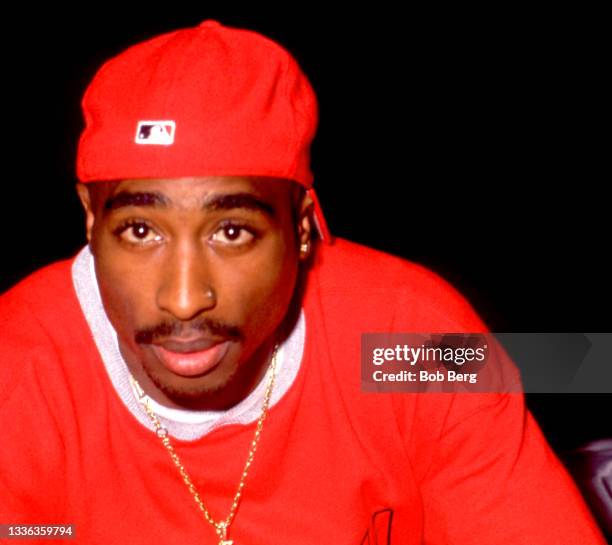
Jury selection opens in Las Vegas as prosecutors accuse former gang leader Duane “Keffe D” Davis of orchestrating the killing
Paul Omo Okojie
LAS VEGAS — Nearly three decades after the murder of legendary American rapper Tupac Shakur, the long-awaited trial of the man accused of orchestrating his killing began Monday in Las Vegas, Nevada.
Jury selection commenced on August 10, 2026, in Clark County District Court, marking a historic development in one of the most famous unsolved murder cases in music history.
Duane “Keffe D” Davis, 63, a former leader of the South Side Compton Crips gang, is facing a single charge of murder with a deadly weapon. He has pleaded not guilty. If convicted, he could face life imprisonment without the possibility of parole.
About 75 prospective jurors were called to court as attorneys and the judge began the process of determining who could fairly hear a case surrounded by enormous international publicity.
The trial is expected to last between four and five weeks.
THE NIGHT TUPAC WAS KILLED
Tupac Shakur, one of the most influential and commercially successful artists of his generation, was 25 when he was shot in Las Vegas on September 7, 1996.
The rapper had attended a heavyweight boxing match featuring Mike Tyson at the MGM Grand earlier that night. After an altercation inside the casino involving Shakur’s entourage and Orlando “Baby Lane” Anderson, Davis’ nephew, tensions reportedly escalated.
Prosecutors allege that Davis subsequently participated in a retaliation plot and provided a firearm to men travelling in a white Cadillac.
Later that night, a vehicle carrying Shakur and Death Row Records co-founder Marion “Suge” Knight was stopped near the Las Vegas Strip when gunmen opened fire.
Shakur was struck four times. Knight survived the attack, while Shakur died six days later from his injuries.
WHO PULLED THE TRIGGER?
One of the central questions expected to dominate the proceedings is not simply whether Davis participated in the alleged plot, but who actually fired the shots.
Prosecutors do not allege that Davis personally pulled the trigger.
Instead, they contend that he helped orchestrate the attack, supplied the weapon and was involved in the retaliation that led to Shakur’s death.
Under Nevada law, a person can face a murder charge for participating in a killing even if that person was not the individual who physically fired the weapon.
The other men prosecutors say were inside the Cadillac have since died, leaving Davis as the only person charged in the case.
DAVIS’ OWN WORDS
A major component of the prosecution’s case is expected to be Davis’ own statements over the years.
Davis has spoken publicly about the circumstances surrounding Shakur’s killing and discussed his alleged involvement in interviews and in his 2019 memoir, Compton Street Legend.
Prosecutors argue that these statements contain significant admissions about his role and knowledge of the events.
Davis’ defence team has challenged the reliability and admissibility of some of his previous statements. However, a Las Vegas judge ruled before trial that his book could be admitted as evidence.
The prosecution’s case therefore faces a dramatic courtroom test: whether statements Davis made years ago can persuade a jury that he was responsible for helping orchestrate the murder.
THREE DECADES OF QUESTIONS
Tupac’s murder became one of the most enduring mysteries in popular culture.
His death occurred during a period of intense rivalry between elements associated with the East Coast and West Coast hip-hop scenes. The killing was followed less than seven months later by the murder of another major rap star, Christopher Wallace, popularly known as The Notorious B.I.G., in Los Angeles.
For years, no one was prosecuted for Shakur’s death.
Investigators eventually renewed their focus on Davis, who had long been considered a person of interest. His public statements and renewed investigation ultimately led to his arrest in 2023.
SUge KNIGHT COULD FEATURE IN THE CASE
Marion “Suge” Knight, who was driving the BMW in which Shakur was travelling when the shooting occurred, could potentially become an important figure in the proceedings.
Knight survived the attack but was later imprisoned in an unrelated case.
His possible involvement as a witness has attracted considerable attention, although reports on Monday indicated that Knight has expressed reluctance to testify.
A FAMILY WAITING FOR ANSWERS
For Shakur’s family and millions of fans around the world, the trial represents the possibility of finally obtaining answers after almost 30 years.
William Lesane, who identified himself as Shakur’s cousin, told reporters outside the courthouse that the proceedings represented the culmination of decades of grief and trauma for the family.
The family hopes the trial will establish what happened that night and determine whether the person charged is responsible for the rapper’s death.
A CASE THAT TRANSCENDS MUSIC
Tupac Shakur’s influence extends far beyond music.
During his brief career, he became a cultural symbol whose songs addressed poverty, racism, violence, inequality, family struggles and life in America’s inner cities.
His death at 25 transformed him from a celebrated rapper into an enduring cultural icon.
Now, nearly 30 years after the gunfire that ended his life, the events of September 7, 1996, are being placed before a jury.
The trial is expected to attract worldwide attention as prosecutors attempt to establish Davis’ alleged role and the defence fights to convince jurors that the evidence is insufficient for a conviction.
For the hip-hop community, Shakur’s family and generations of fans, the proceedings represent more than another criminal trial.
They are an attempt to finally answer one of the most persistent questions in modern music history:
Who was responsible for the murder of Tupac Shakur?
The answer now rests with a jury in Las Vegas.