
The Nigerian Media and the Challenge of Public Trust
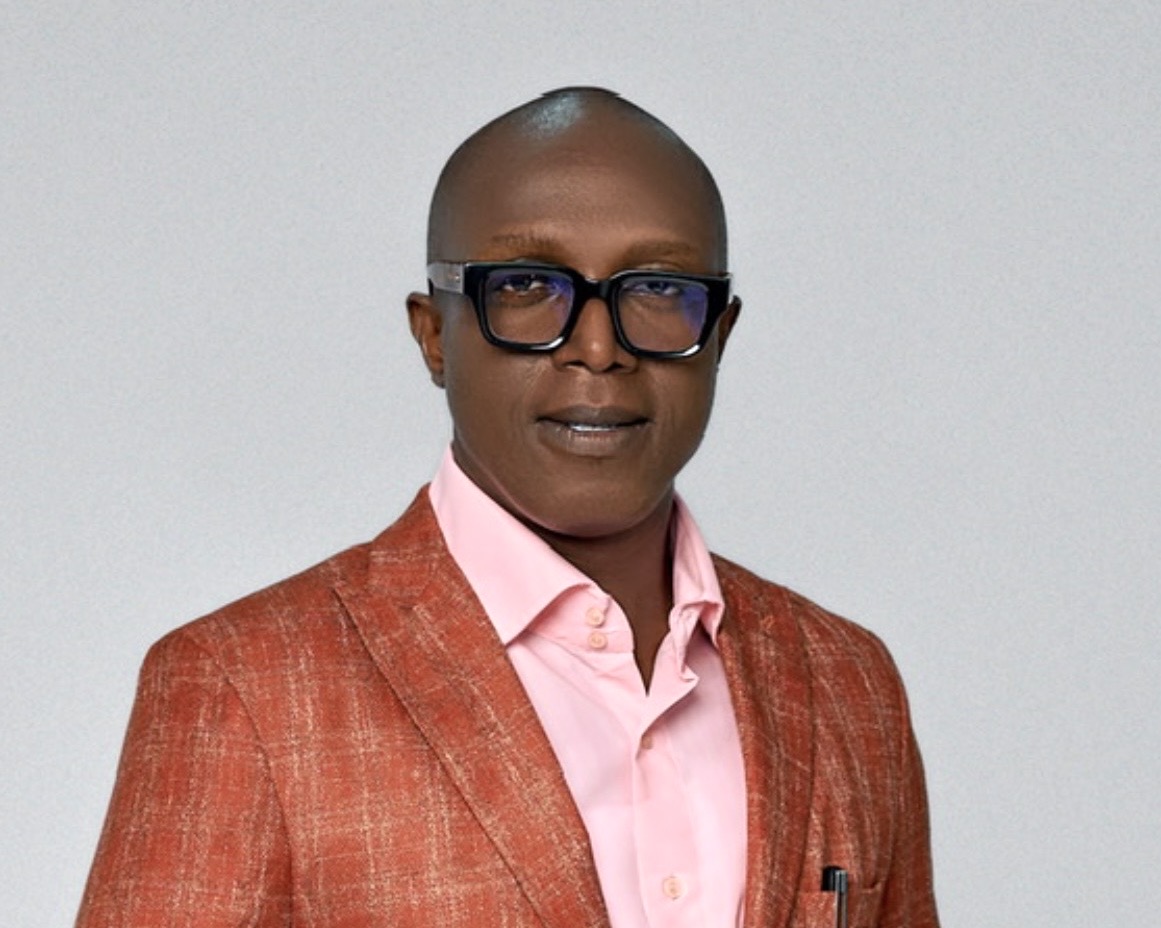
By Paul Omo Okojie
The media has long been regarded as the fourth estate of the realm, serving as a watchdog over government, business, and society. In a democracy, journalists have the responsibility to inform citizens accurately, hold those in power accountable, and provide a platform for diverse opinions. In Nigeria, however, public confidence in sections of the media has been tested by growing concerns over sensationalism, misinformation, political influence, and commercial pressures.
Many Nigerians increasingly question whether some media outlets are fulfilling their constitutional and ethical obligations. Critics argue that the rush to break stories first has sometimes taken precedence over thorough fact-checking, leading to inaccurate or misleading reports. In an era where social media amplifies every headline within seconds, even a small error can spread widely before corrections are issued.
Another concern is the influence of politics and ownership. Media organizations, like many institutions, often operate within financial and political realities. Where editorial independence is compromised by owners, advertisers, or political interests, reporting may reflect those influences rather than the public interest. Such perceptions can weaken trust in journalism and deepen political divisions.
Journalists themselves also face immense challenges. Poor remuneration, threats to personal safety, legal intimidation, and limited resources can make independent reporting difficult. These realities do not excuse ethical lapses, but they help explain the pressures under which many media professionals work.
It is important, however, to avoid painting all Nigerian journalists with the same brush. Across the country, many reporters, editors, and investigative journalists continue to demonstrate courage and professionalism. They expose corruption, document human rights abuses, and provide accurate reporting despite significant risks. Their work reminds us that ethical journalism remains alive in Nigeria.
The solution lies not in condemning the entire profession but in strengthening it. Media houses should invest more in editorial standards, rigorous fact-checking, and continuous professional development. Journalists must adhere to established codes of ethics by verifying information, correcting mistakes promptly, and maintaining independence from undue influence. At the same time, media owners should protect editorial freedom, while regulatory bodies should enforce professional standards fairly and without political interference.
The public also has a role to play. Citizens should verify information from multiple credible sources, question sensational claims, and support media organizations that consistently demonstrate accuracy and integrity. A healthy democracy depends not only on responsible journalists but also on an informed and discerning society and audience.
Ultimately, the credibility of the Nigerian media will be determined by its commitment to truth, fairness, accountability, and the public interest. Trust, once lost, is difficult to regain, but through ethical journalism and institutional reform, the media can continue to play its indispensable role in Nigeria’s democratic development.
Paul Okojie is a journalist/Media Consultant.