

US STRIKES ESCALATE AS IRAN RETALIATES WITH MISSILE, DRONE ATTACKS
By Paul Omo Okojie
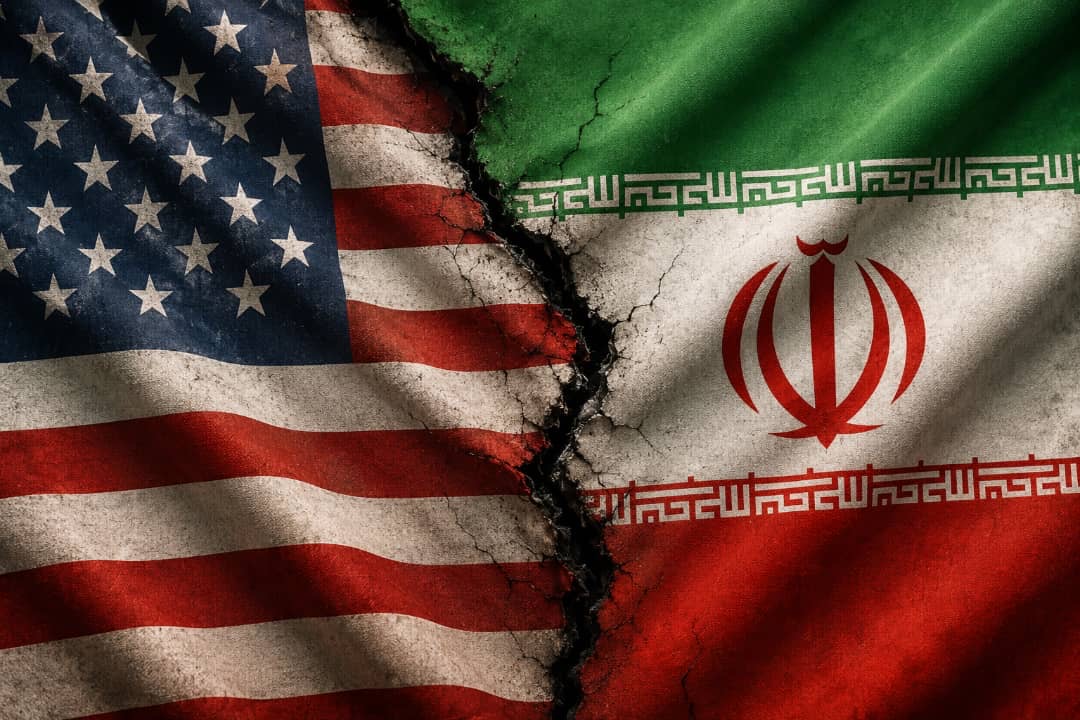
WASHINGTON/TEHRAN — The Middle East moved closer to a wider military confrontation on Thursday after the United States launched another wave of coordinated airstrikes against strategic Iranian military installations in southern Iran, prompting Tehran to retaliate with missile and drone attacks on facilities linked to U.S. forces and allies across the Gulf.
The latest exchange marks one of the most serious escalations since the collapse of a fragile ceasefire and has heightened fears of a broader regional conflict capable of disrupting global energy supplies, international trade and diplomatic efforts aimed at restoring stability.
According to the United States Central Command (CENTCOM), American aircraft and precision-guided missiles struck approximately 90 Iranian military targets across the country’s southern coastline. The targets included air defence systems, anti-ship missile batteries, radar installations, drone launch sites, Revolutionary Guard facilities, logistics hubs and naval infrastructure in Bandar Abbas, Sirik, Chabahar, Konarak, Bushehr and surrounding areas along the Strait of Hormuz.
U.S. military officials said the operation was intended to degrade Iran’s ability to threaten commercial shipping after recent attacks on vessels transiting the Strait of Hormuz, one of the world’s most strategically important maritime corridors through which a significant share of global crude oil exports passes.
President Donald Trump defended the operation, insisting the United States would continue to protect its interests and those of its allies while maintaining freedom of navigation in international waters. He warned that any further Iranian attacks on American personnel or commercial shipping would attract a stronger military response, although he maintained that diplomatic contacts with Tehran had not completely ended.
Iran swiftly condemned the strikes as a violation of international law and an attack on its sovereignty.
Within hours, Tehran launched retaliatory ballistic missile and armed drone attacks targeting U.S.-linked military installations in Kuwait, Bahrain, Qatar and other Gulf locations. Air defence systems intercepted many of the incoming projectiles, although reports indicated that several military facilities sustained limited damage. Iranian authorities also claimed to have targeted U.S. military infrastructure and early-warning installations across the region.
Latest Developments
The latest U.S. strikes triggered powerful explosions across several coastal cities in southern Iran, particularly Bandar Abbas and Sirik, where residents reported multiple blasts throughout the night. Iranian media also reported explosions near Bushehr and other strategic military sites, while emergency services responded to damaged facilities in parts of Hormozgan Province. Iranian officials said the attacks resulted in casualties and damage to military infrastructure, although independent verification remains limited.
The renewed hostilities come at a particularly sensitive time for Iran following the death of former Supreme Leader Ayatollah Ali Khamenei. Iranian leaders have pledged that continued foreign military pressure will not weaken the country’s resolve, while senior commanders vowed additional retaliation if U.S. operations continue.
Global financial markets reacted sharply to the renewed fighting. Oil prices climbed amid concerns that sustained military operations around the Strait of Hormuz could disrupt one of the world’s busiest energy corridors, pushing up fuel prices and increasing inflationary pressures across international markets.
Meanwhile, the United Nations, the European Union, Qatar, Oman, Turkey and several regional governments have appealed for restraint and renewed diplomacy. Mediators are continuing behind-the-scenes efforts to prevent the crisis from spiralling into a full-scale regional war.
Security analysts warn that although neither Washington nor Tehran has formally declared war, the rapid cycle of military strikes and counter-strikes significantly increases the possibility of miscalculation, raising concerns that a localized confrontation could quickly expand into a broader conflict involving multiple countries across the Middle East.
As the situation continues to evolve, governments worldwide are closely monitoring developments amid growing fears that the escalating confrontation could reshape the geopolitical and security landscape of the Middle East for years to come.
— Ends —