

WHY TUPAC IS STILL ALIVE: THE LEGACY THAT REFUSED TO DIE
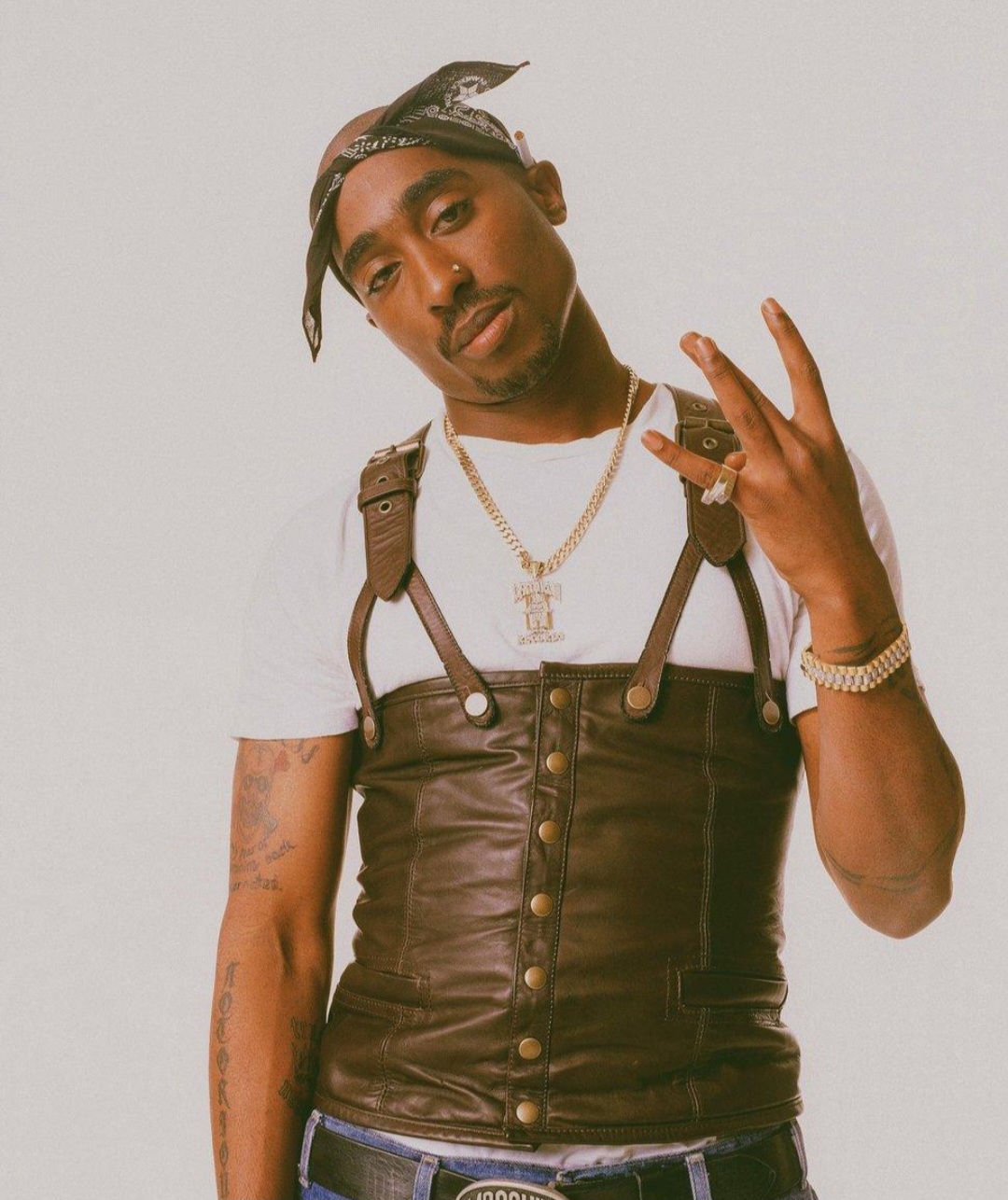
Thirty years after his death, Tupac Shakur’s voice continues to shape generations, proving that while his life ended in Las Vegas, his influence never did.
By Paul Okojie
Thirty years after Tupac Amaru Shakur was shot in Las Vegas, one question continues to follow his name across generations: why does Tupac still feel alive?
The answer is not found in the conspiracy theories that have surrounded his death since September 1996.
Tupac did not fake his death. There is no credible evidence that he escaped to Cuba, Africa or any secret location. Those stories grew largely because his death at the age of 25 was difficult for millions of fans to accept.
The truth is more powerful than the conspiracy.
Tupac Shakur is still alive through his legacy.
On September 7, 1996, Tupac was shot while travelling in a BMW vehicle driven by Death Row Records executive Marion “Suge” Knight after leaving the Mike Tyson fight in Las Vegas. He died six days later, on September 13, at the age of 25.
His murder remained one of the most famous cold cases in the history of music for decades. The case was eventually brought before a court, bringing a measure of legal accountability to a crime that had generated years of rumours and speculation.
But while Tupac’s physical life ended, his music continued to travel across the world.
His songs spoke about poverty, racism, inequality, violence, family, love and hope. These were not problems limited to the America in which he lived. Young people across Africa, Europe and other parts of the world found their own experiences reflected in his words.
Songs such as Dear Mama demonstrated his emotional vulnerability and love for family, while Changes continued to resonate because many of the social problems he addressed remain unresolved.
Tupac’s death also changed hip-hop.
The violence surrounding the era and the later murder of The Notorious B.I.G. forced the music industry to confront the dangerous consequences of allowing rivalry and real-life conflict to grow beyond entertainment.
Today, hip-hop has become a global culture, connecting artists across countries and continents. Yet Tupac remains one of its most powerful symbols.
His greatest legacy is not simply the number of records he sold or the fame he achieved.
It is the fact that young people who were born years after his death continue to discover his music and find meaning in his words.
That is why Tupac is still alive.
Not in hiding.
Not in exile.
Not through conspiracy.
But through music, influence and memory.
The bullets ended Tupac Shakur’s life.
They did not end his voice.