

Obah Community Backs WRAHP. Findings On Education, Economic Empowerment to Combat Gender-Based Violence
By Mercy Onyenweli
The Obah community in Ikpoba-Okha Local Government Area of Edo State has identified education and economic empowerment of women as critical measures for tackling gender-based violence (GBV), reinforcing findings from a recent community-based study conducted by the Women’s Rights and Health Project (WRAHP).
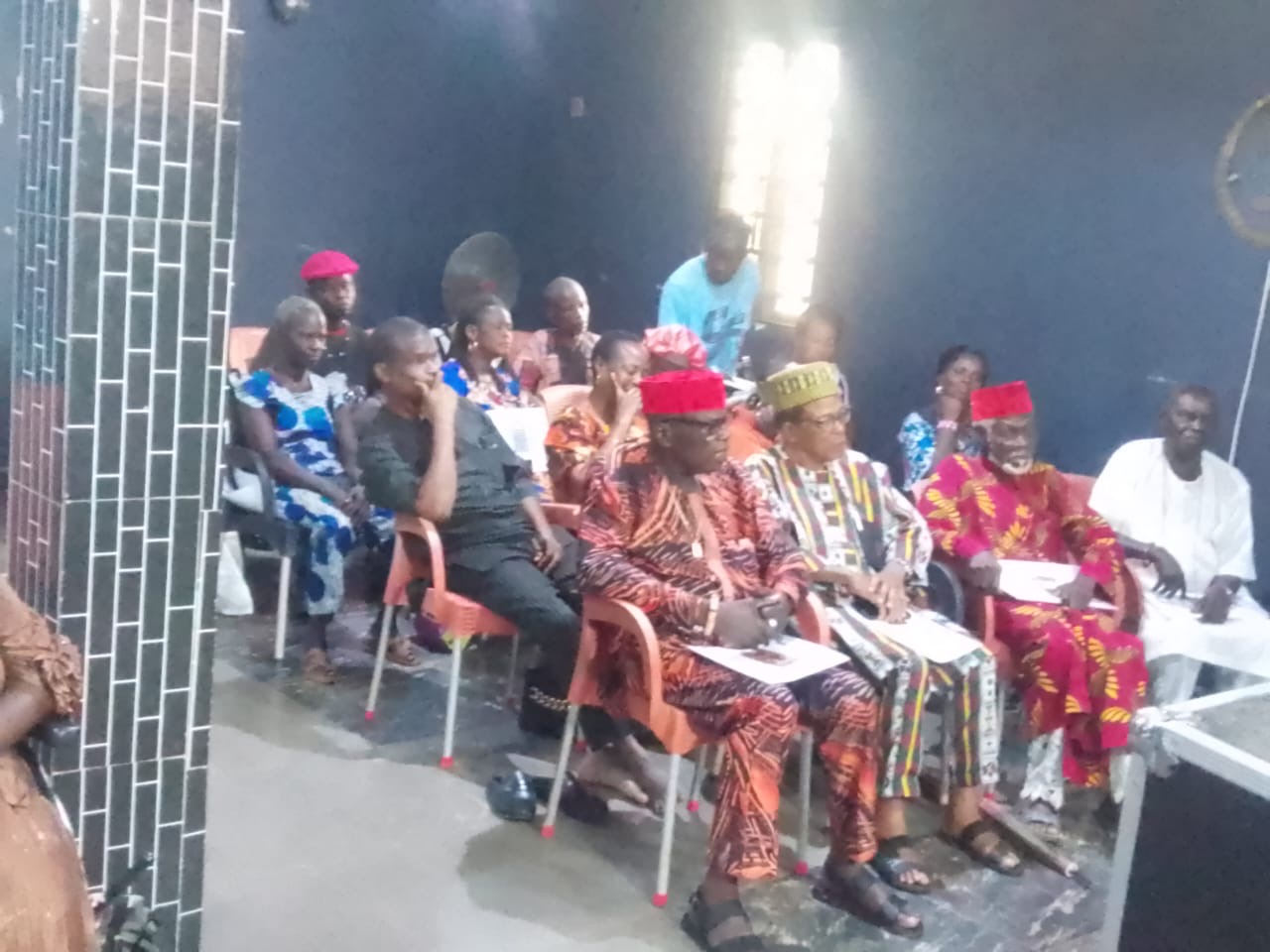
The position was made known during a stakeholders’ validation meeting organised by WRAHP in collaboration with the South Saharan Social Development Organisation as part of efforts to validate findings on gender-based violence across five communities in Ikpoba-Okha Local Government Area.
The validation meeting, which commenced in Obah, followed a focus group discussion conducted by WRAHP across the five communities to understand women’s experiences of GBV and identify interventions they consider most effective in addressing the problem.
Speaking during the meeting, the Executive Director of WRAHP, Dr. Bose Ironsi, said the decision to involve community members in determining solutions to GBV was deliberate, stressing that interventions would be more effective when beneficiaries are involved in identifying their needs.
Dr. Ironsi noted that some development interventions had failed because they were designed without adequate consultation with the communities they were intended to serve.
She said WRAHP, in partnership with an international donor, would support initiatives aimed at equipping women with skills and opportunities that would strengthen their economic independence.
The WRAHP Executive Director also called on community leaders to develop informal mechanisms for reporting cases of gender-based violence and establish appropriate community sanctions to deter perpetrators
.
Presenting the findings of the focus group discussions, Pastor Blessing Eromon explained that women in Obah Community were divided into six focus groups and interviewed about their experiences and perceptions of gender-based violence.
According to her, the groups identified sexual violence, domestic violence and economic violence as some of the major forms of violence affecting women in the community.
She, however, noted that some men interviewed during the exercise attributed abuse in the home to the alleged poor conduct of women, a perception that underscores the need for sustained community sensitisation on GBV and women’s rights.
Eromon further disclosed that the findings showed that women faced difficulties attaining leadership positions within the community, except in structures such as women’s and market associations.
She said the findings consequently recommended increased access to education, vocational skills and economic opportunities for women, stressing that economic independence would strengthen women’s ability to resist and respond to gender-based violence.
Earlier, the Benin WRAHP Project Manager, Mrs. Sherita, said the organisation was committed to developing a community-led model that would empower trusted women leaders to prevent and respond to gender-based violence.
She added that strengthening women’s leadership at the community level was essential to ensuring sustainable interventions against GBV.
Also speaking, the representative of the Enogie of Obah Community, Mr. Napo Osayende, commended WRAHP and its partners for their efforts in addressing gender-based violence.
Osayende said economically empowered women were more likely to concentrate on productive activities, adding that financial independence could also reduce conflicts and frequent disagreements within households.
Government representatives from the Ministry of Local Government and Chieftaincy Affairs, including Onarriase Eunice Igodalo, as well as the Managing Director of Vivian Centre, were among stakeholders who participated in the validation meeting.
The stakeholders reaffirmed the need for community ownership of GBV interventions, with particular emphasis on education, skills acquisition, economic empowerment, women’s leadership and accessible community-based reporting mechanisms as key strategies for reducing gender-based violence.