

El-Rufai and the Cruel Irony of Power
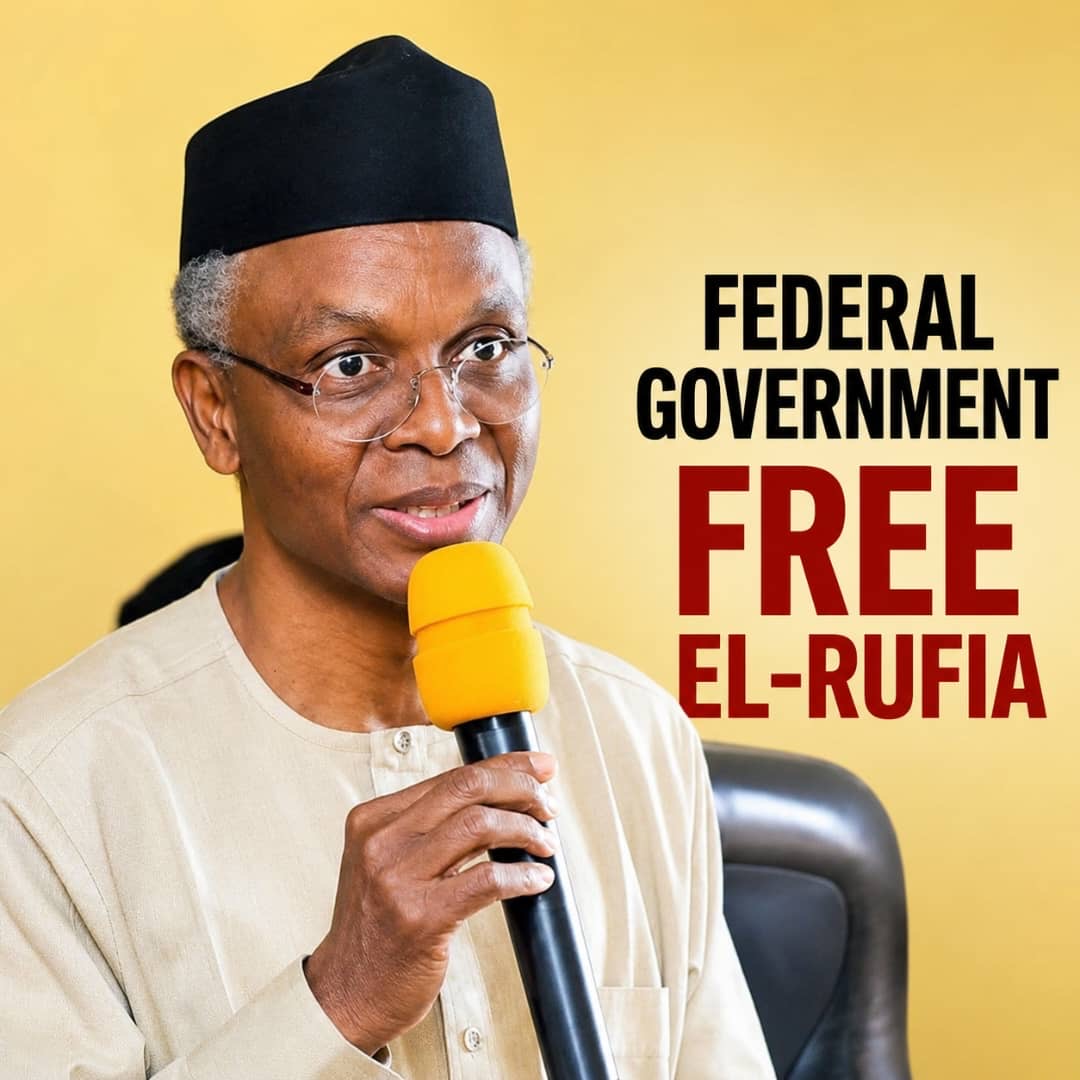
By Paul Okojie
There is an old political saying that power is temporary, but the consequences of how power is used can last forever. Few Nigerian politicians embody this reality more dramatically today than Mallam Nasir Ahmad El-Rufai. He is known for his fiery rhetorics in Nigeria’s political scene, played a major role in ending the People’s Democratic Party (PDP) reign in 2015.
Once regarded as one of the most powerful and feared political strategists in Nigeria, El-Rufai now finds himself facing investigations, arrests, political isolation and growing public scrutiny. For a man who played a central role in the rise of the All Progressives Congress (APC) in 2015, his current predicament represents one of the most ironic political reversals in recent Nigerian history.
The former Kaduna State governor was never an ordinary politician. He was aggressive, intellectually sharp, confrontational and unapologetically forceful in both governance and political combat. Whether as Minister of the Federal Capital Territory under Olusegun Obasanjo or later as governor of Kaduna State, El-Rufai built his political image around toughness and fearlessness.
But in politics, those who build systems of ruthless power eventually discover that such systems rarely show mercy when fortunes change.
In 2015, El-Rufai became one of the strongest voices against the administration of Goodluck Jonathan. He was among the political architects who helped bring the APC to national power under Muhammadu Buhari. He defended the “change” mantra aggressively and became one of the ruling party’s most vocal enforcers.
Critics say he was instrumental in promoting the winner-takes-all political culture that now dominates Nigeria’s democratic environment. Supporters, however, insist he was simply decisive and committed to reform.
Yet history has a cruel sense of irony.
Reports in February 2026 confirmed that El-Rufai was detained and questioned by anti-corruption agencies following allegations linked to financial and administrative matters during his tenure in office. His re-arrest shortly after securing bail sent shockwaves across the country and sparked fierce political debate.
For many Nigerians, the images were symbolic: a once untouchable political heavyweight suddenly facing the harsh machinery of state power.
But public sympathy toward El-Rufai has remained divided, largely because many Nigerians remember how his administration dealt with opposition figures and dissenting voices during his years in office.
Under his government in Kaduna State, critics frequently accused him of intolerance, intimidation and excessive use of state authority. Political opponents alleged harassment and suppression. Communities displaced by demolition exercises accused him of selective justice. Civil society groups repeatedly questioned his handling of insecurity and communal violence in Southern Kaduna.
Human rights advocates often described his governing style as authoritarian. El-Rufai himself rarely softened his rhetoric against critics. He projected strength and believed strongly in political confrontation rather than consensus. He was harsh on his opponents and spared no time in taking actions against them.
Today, many Nigerians are asking difficult moral and political questions. Why all the allegations of corruption after he has help this administration win elections three consecutive times at the federal and state elections? Why have his bail conditions become so strict for him to gain freedom?
Is El-Rufai now experiencing the same political ruthlessness he once defended and benefited from? Is he paying the price for helping strengthen a system where power is used mercilessly against perceived enemies? Or has he simply become another victim of Nigeria’s endless cycle of political betrayal?
These are uncomfortable but necessary questions.
What is happening to El-Rufai should concern not only his supporters but every Nigerian who believes in democracy and the rule of law. Political persecution must never replace genuine accountability. Anti-corruption agencies must not become instruments for settling political scores. Justice must remain transparent, lawful and free from political manipulation.
At the same time, public officials must understand that power exercised without restraint often creates future dangers for those who wield it.
Nigeria’s political elite have spent decades building a dangerous culture where loyalty matters more than institutions, where opponents are treated as enemies, and where state power is weaponized for political survival. Eventually, the same machinery consumes even its architects. That is the deeper lesson in the El-Rufai saga.
His rise represented the confidence and aggression of Nigeria’s modern political class. His current troubles reveal the fragility of political alliances in a country where yesterday’s kingmaker can quickly become today’s target.
Mallam Nasir El Rufia may appear to be a prodigal son to us who realized that being a servant in his father’s house is far better than working in the ban sharing food with the animals, he has returned to his Father (Nigerians) and it’s our duty to forgive him so he can fix what he helped create.
In the end, this moment should force Nigerians and its leaders to reflect seriously on the kind of democracy it wants to build for the next generation of Politicians.
Do we want a nation where political opponents are destroyed today at will or we eventually want to become a nation where nobody is truly safe tomorrow?
And perhaps that is the greatest irony of it all.