
Kaduna North Aspirant Rejects Tinubu’s Proposed Vehicle Tax, Calls It “Insensitive and Anti-People”
By Staff Reporter
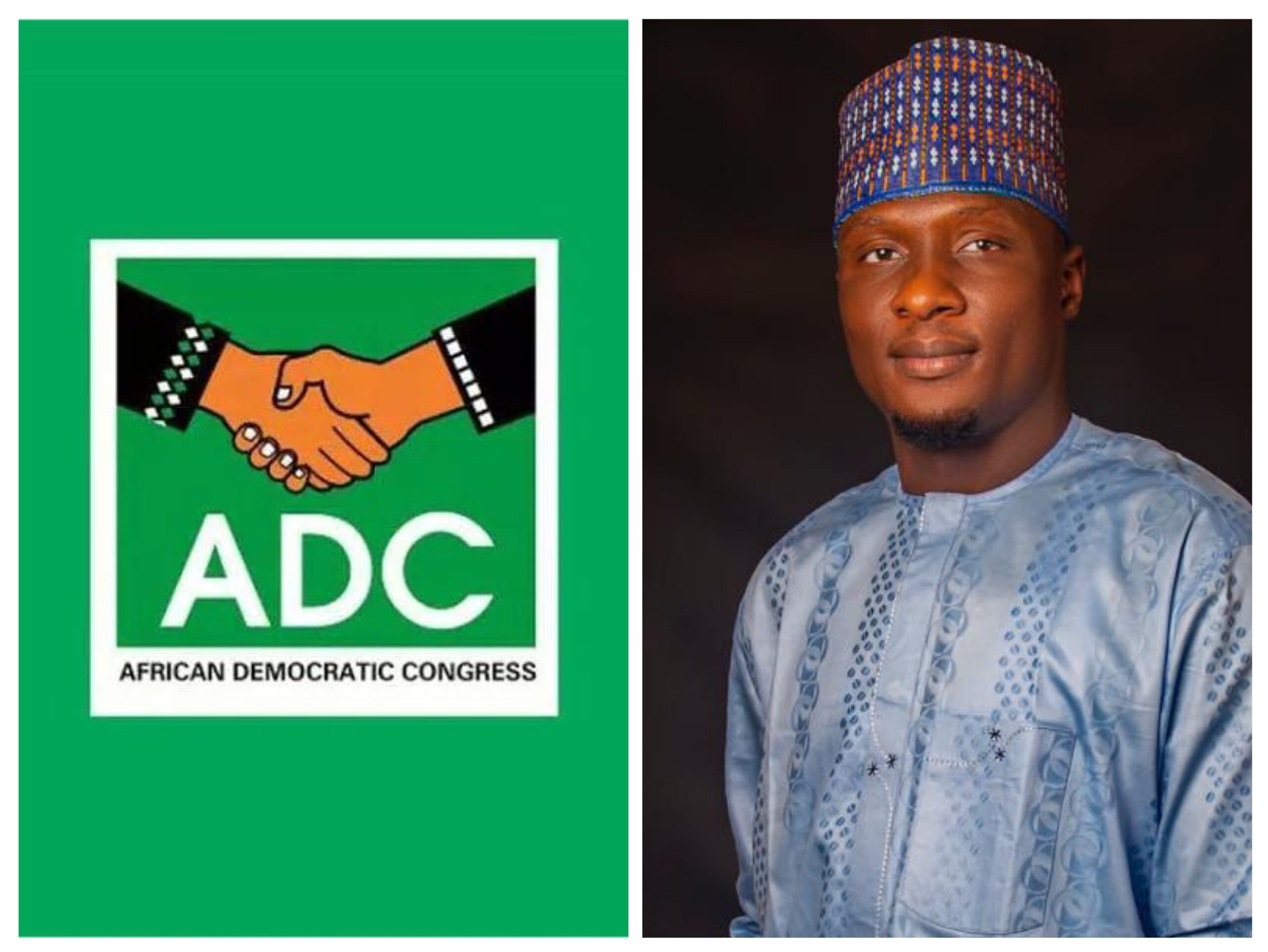
Aspirant for the House of Representatives in Kaduna North Federal Constituency, Hon. Abdul-Malik Rabiu Jaafar, has strongly condemned the proposed vehicle tax policy introduced by the administration of Bola Ahmed Tinubu, describing it as “ill-timed, insensitive, and disconnected from the realities of Nigerians.”
In a press statement issued on Monday, Jaafar criticized the Federal Government’s plan to implement the new tax policy from July 1, 2026, arguing that it would further compound the economic hardship currently facing citizens across the country.
According to him, Nigerians are already grappling with rising fuel costs, inflation, and an increasing cost of living, making the introduction of additional taxes a significant burden.
“You cannot continue to tax a people who are already struggling to survive,” he stated.
Concerns Over Economic Impact
Jaafar warned that the new vehicle tax policy would have far-reaching consequences on the economy, particularly for low- and middle-income earners. He outlined several potential impacts, including increased transportation costs, higher prices of goods and services, and additional strain on small businesses.
He further noted that the policy could deepen poverty levels among ordinary Nigerians, emphasizing that such measures would worsen rather than alleviate the current economic challenges.
“This is not reform; this is pressure,” he added.
Questions Over Government Priorities
The Kaduna North aspirant also questioned the Federal Government’s priorities, arguing that there has been little visible improvement in critical sectors such as road infrastructure, public transportation, and overall economic stability.
He expressed concern that citizens are being asked to pay more without corresponding improvements in public services.
“Nigerians are being asked to give more, yet they see less,” Jaafar said.
Trust Deficit Highlighted
Beyond the economic implications, Jaafar pointed to a growing lack of trust between the government and the people. He argued that many Nigerians no longer have confidence that increased taxation would translate into tangible development.
According to him, the absence of transparency, accountability, and visible results has fueled skepticism about government policies.
Call for Immediate Action
Jaafar called on the Federal Government to immediately suspend the implementation of the vehicle tax policy and initiate open and transparent engagement with citizens.
He urged the administration to prioritize policies that would ease economic hardship rather than intensify it.
Advocacy for the People
Reaffirming his political stance, Jaafar stated that he remains committed to representing the interests of the people of Kaduna North and Nigerians at large.
“Leadership is not about imposing policies—it is about protecting the people,” he said, adding that Nigerians are demanding relief, opportunity, and dignity rather than additional financial burdens.
The proposed vehicle tax policy has continued to generate mixed reactions nationwide, with stakeholders expressing concerns over its potential impact on an already strained economy.