

Iran’s Supreme Leader Ayatollah Ali Khamenei is Dead State Media Say
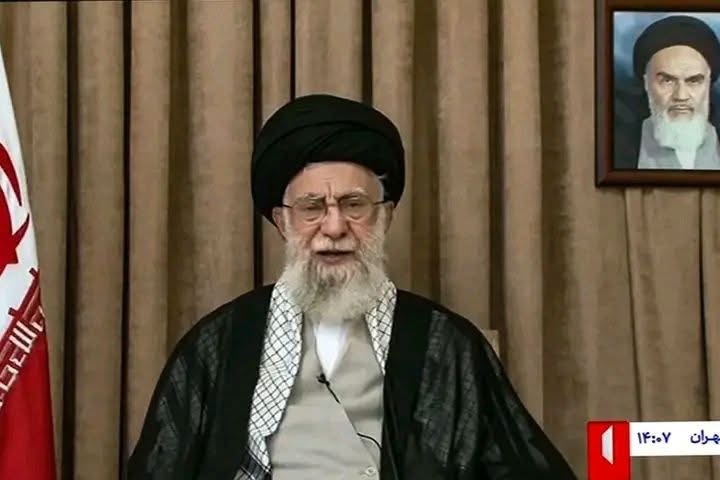
DUBAI, United Arab Emirates (AP) — Iran’s Supreme Leader, Ali Khamenei, has died at age 86 following a wave of joint U.S.-Israeli airstrikes, Iranian state media reported Sunday.
State television announced that Khamenei was “martyred” during the bombardment, which reportedly targeted leadership and military facilities in and around Tehran. The Iranian government declared 40 days of national mourning and suspended public activities for a week.
U.S. President Donald Trump confirmed the operation in a statement, describing it as a decisive strike against Iran’s top leadership. Israeli officials said the attacks were aimed at degrading Iran’s command structure and military infrastructure.
Iranian authorities vowed retaliation. Reports from the region indicated missile and drone launches toward Israeli and U.S.-linked positions, raising fears of a wider Middle East conflict.
The developments could carry economic and security implications for Nigeria and other oil-producing nations.
Iran is a key player in the global energy market and a member of Organization of the Petroleum Exporting Countries. Any escalation that disrupts oil supply routes in the Persian Gulf could push global crude prices higher. For Nigeria — Africa’s largest oil producer — a spike in prices could increase government revenues but also trigger higher petrol and diesel costs domestically, worsening inflationary pressures.
Nigeria has also maintained diplomatic relations with both Iran and Western powers. Abuja may face delicate foreign policy considerations as tensions rise between Tehran, Washington and Tel Aviv.
Security analysts warn that instability in the Middle East can have ripple effects across Africa, including shifts in global security alliances, economic volatility and potential realignments within OPEC production strategies.
Under Iran’s constitution, the powerful Assembly of Experts is responsible for selecting a new supreme leader. The position holds ultimate authority over Iran’s military, judiciary and foreign policy.
Khamenei assumed office in 1989 after the death of Ruhollah Khomeini and oversaw decades of strained relations with the United States and Israel, disputes over Iran’s nuclear programme, and periodic domestic unrest.
His death marks one of the most consequential political shifts in Iran since its 1979 Islamic Revolution. Global markets and governments are closely monitoring the situation amid fears of further escalation in an already volatile region.
Further details were still emerging at the time of filing this report.