
U.S. President Donald Trump has sharply criticized the resignation of the nation’s top counterterrorism official, Joe Kent, who stepped down in protest over the ongoing war with Iran.
Kent, a conservative figure and former CIA paramilitary officer, resigned as head of the National Counterterrorism Center, stating in his letter that Iran “posed no imminent threat” to the United States. He further alleged that the decision to go to war was influenced by external pressure, including from Israel and pro-Israel lobbying interests in Washington, and described the conflict as driven by a “misinformation campaign.”
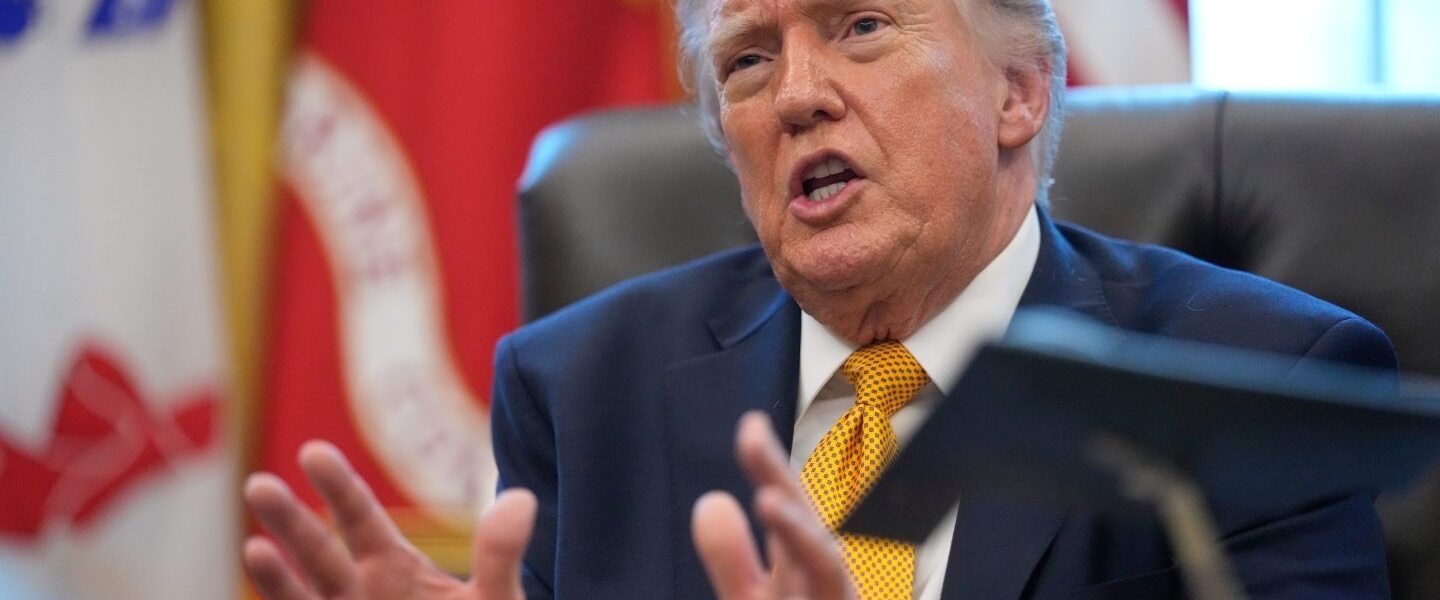
Responding to the resignation, Trump dismissed Kent’s claims, telling reporters that his departure was justified. “It’s a good thing that he’s out because he said Iran was not a threat. Every country recognized Iran was a threat,” the president said.
White House Press Secretary Karoline Leavitt also rejected Kent’s assertions, describing his resignation letter as containing “false claims.” Kent had been serving as a senior aide to Director of National Intelligence Tulsi Gabbard before his appointment.
He is the first known U.S. official to resign over the conflict, which has now entered its 18th day.
Escalation Across the Region
In a significant development, Israel announced it had killed Ali Larijani, a senior Iranian intelligence figure, in an overnight airstrike. Iranian state media later confirmed his death, marking a major escalation in hostilities.
The war continues to expand beyond Iran’s borders. In Lebanon, Israeli forces have intensified strikes against Hezbollah, an ally of Iran, contributing to mounting casualties across the region.
Rising Casualties and Economic Impact
The human toll of the conflict has risen sharply. More than 1,000 people have reportedly been killed in Iran since the war began, including civilians. Among the dead are scores of schoolchildren who died in what has been described as a U.S. airstrike on a school in southern Iran.
In Lebanon, over 800 people have been killed, while dozens more fatalities have been recorded in other parts of the region.
The United States has also suffered losses, with 13 soldiers confirmed dead and more than 200 wounded. Thousands of additional American troops are being deployed to the region as the conflict intensifies.
Meanwhile, global energy markets are feeling the strain. Iran’s closure of the Strait of Hormuz—a critical oil transit route—has driven fuel prices higher. The average price of gasoline in the United States rose to approximately $3.81 per gallon, with prices climbing as high as $5.53 in states like California.
As the war enters a critical phase, divisions within the U.S. government and escalating military actions across the Middle East continue to heighten concerns about a broader regional conflict.