TINUBU’S TAX ONSLAUGHT: NIGERIANS MUST RESIST APC POLICIES OR BE ECONOMICALLY ENSLAVED

By Paul Okojie
Nigeria stands at a critical crossroads. At a time when citizens are already grappling with inflation, unemployment, rising energy costs, and declining purchasing power, the proposed tax reforms under the APC-led Federal Government of President Bola Ahmed Tinubu have raised serious concerns about the future of financial independence and freedom of choice for ordinary Nigerians.
Taxation, in principle, is not the problem. Every functional society requires taxes to fund public services, infrastructure, and social protection. However, when tax policies are introduced without adequate consultation, transparency, fairness, and sensitivity to prevailing economic realities, they risk becoming instruments of hardship rather than development. It’s a known knowledge to every Nigerian, how public servants steal public funds use it to fund their personal projects and even use it to run for public offices.
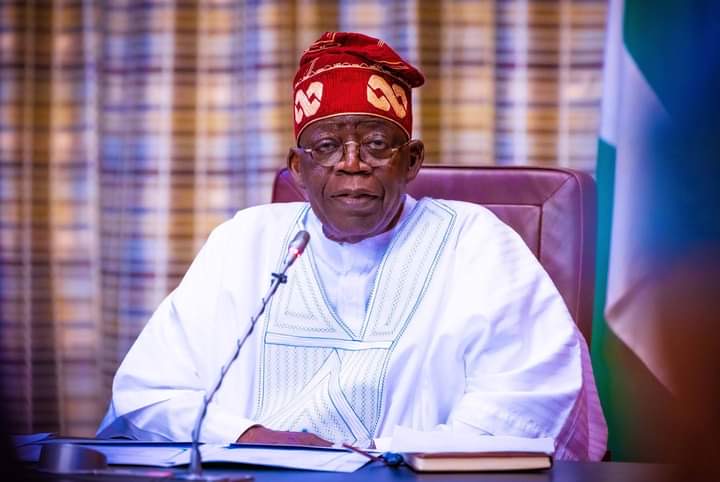
The current tax direction of the Tinubu administration appears to place a disproportionate burden on citizens and small businesses while failing to convincingly address systemic waste, corruption, and elite privilege within government. Nigerians are being asked to pay more, yet they see little evidence of corresponding improvements in public services, power supply, healthcare, education, or security. Nigerians will see their bank account being ransacked and put on credit and debt for God knows where their next meal will come from.
For millions of Nigerians in the informal sector traders, artisans, farmers, transport workers, and small-scale entrepreneurs these tax policies threaten survival. When income is already unstable and profit margins razor-thin, additional levies and enforcement measures amount to economic suffocation. Over-taxation in a struggling economy does not grow revenue; it destroys productivity and deepens poverty.
More troubling is the broader implication for freedom of choice. Financial independence is the foundation of personal liberty. When citizens are taxed to the point where they cannot save, invest, or make independent economic decisions, they become increasingly dependent on the state. Such dependence weakens democratic participation and strengthens political control, as citizens who are economically vulnerable are easier to coerce, silence, or manipulate.
There is also the issue of trust. Nigerians have repeatedly asked a simple question: why should citizens be taxed more when government officials continue to enjoy extravagant allowances, luxury convoys, bloated bureaucracies, and opaque spending? Without visible sacrifice and accountability from those in power, tax compliance becomes not just difficult, but morally contentious.
Most recently, there is outrage over the tax bill discrepancies that was passed by the National Assembly and the one that has been gazetted. Standing up against unjust or poorly designed tax laws does not mean rejecting governance or promoting anarchy. It means demanding fairness, equity, and accountability. It means insisting that tax reforms must first close loopholes for the wealthy, expand the tax base responsibly, cut the cost of governance, and stimulate economic growth before squeezing an already overburdened population.
Civil society groups, labour unions, professional associations, market unions, students, and faith-based organisations must engage, educate, and mobilise citizens through lawful and peaceful means. Nigerians must use their voices through advocacy, dialogue, the media, and democratic pressure to demand a tax system that supports growth rather than punishes survival.
History shows that when citizens remain silent in the face of policies that erode their economic freedom, the consequences are long-lasting. Once financial independence is lost, reclaiming freedom of choice becomes far more difficult.
This is not just a debate about tax rates or revenue targets. It is a question about the kind of Nigeria we want: one where citizens are empowered contributors to development, or one where they are reduced to economic captives of a distant political elite.
Nigerians must stand up now calmly, lawfully, and resolutely because the cost of silence may be far greater than the cost of resistance.
Paul Okojie is a Journalist/Media Consultant