
Abuja — The Supreme Council for Shari’ah in Nigeria (SCSN) has expressed deep concern over developments in the National Assembly following allegations of discrepancies between tax reform bills passed by lawmakers and the versions later gazetted and presented to the public.
The Council reacted to an alarm raised on the floor of the House of Representatives by Hon. Abdulsamad Dasuki, who alleged that the tax reform bills signed by the President and gazetted into law contained additional clauses and substantial material alterations that were neither debated nor approved by the National Assembly.
According to the SCSN, if these allegations are established, they would amount to a grave constitutional violation with far-reaching implications for democracy, governance, economic stability, and public trust.
“The alleged insertion of clauses not approved by the National Assembly constitutes a serious affront to constitutional governance and the sovereignty of the Nigerian people,” the Council stated.
The SCSN noted that tax legislation directly affects the lives and livelihoods of Nigerians, businesses, and religious, social, and economic obligations across the country. It disclosed that it actively monitored and contributed to the legislative process leading to the passage of the tax reform bills, with a focus on fairness, equity, transparency, constitutional compliance, and protection of the public interest.
The Council said it was shocked by claims that bills collectively debated and approved by elected representatives may have been altered at the executive level, describing such an action, if proven, as an attempt to undermine democratic processes and constitutional order.
Consequently, the SCSN called on the leadership of the National Assembly — the Speaker of the House of Representatives, Rt. Hon. Tajuddeen Abbas, and the President of the Senate, Senator Godswill Akpabio — to urgently rise to their constitutional responsibilities by ensuring a transparent investigation into the matter before the commencement of the tax laws on January 1, 2026.
The Council stressed that members of the National Assembly must be allowed to conduct an open and unhindered comparison between the harmonised bills passed by both chambers and the versions eventually gazetted, in order to determine the nature, extent, and impact of any alterations.
It warned that failure to address the issue could erode public confidence in democratic institutions, weaken the doctrine of separation of powers, expose the laws to constitutional challenges, create economic uncertainty, and undermine investor confidence.
“Tax laws, by their compulsory nature, demand the highest level of constitutional integrity and procedural fidelity. Nigerians cannot be expected to comply with fiscal obligations arising from laws whose authenticity and legislative origin are in doubt,” the statement added.
The SCSN urged that the matter be treated with urgency, sincerity, and transparency to preserve constitutional order, protect institutional credibility, and reaffirm the supremacy of the Nigerian Constitution.
“Nigeria’s democracy must not be undermined by executive overreach or procedural shortcuts. The will of the people, as expressed through the National Assembly, must be respected and defended,” the Council concluded.
Signed:
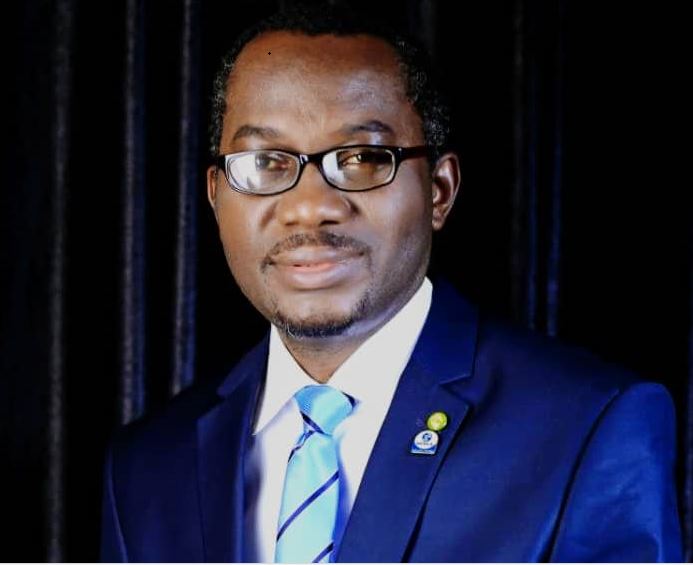
Nafiu Baba-Ahmad, mni
Secretary-General
Supreme Council for Shari’ah in Nigeria (SCSN)
27 Jumada II 1447 AH / December 17, 2025