
Stakeholders in the environmental sustainability space are calling for the creation and adoption of indigenous African words and expressions to redefine global narratives on climate action and ecological justice.
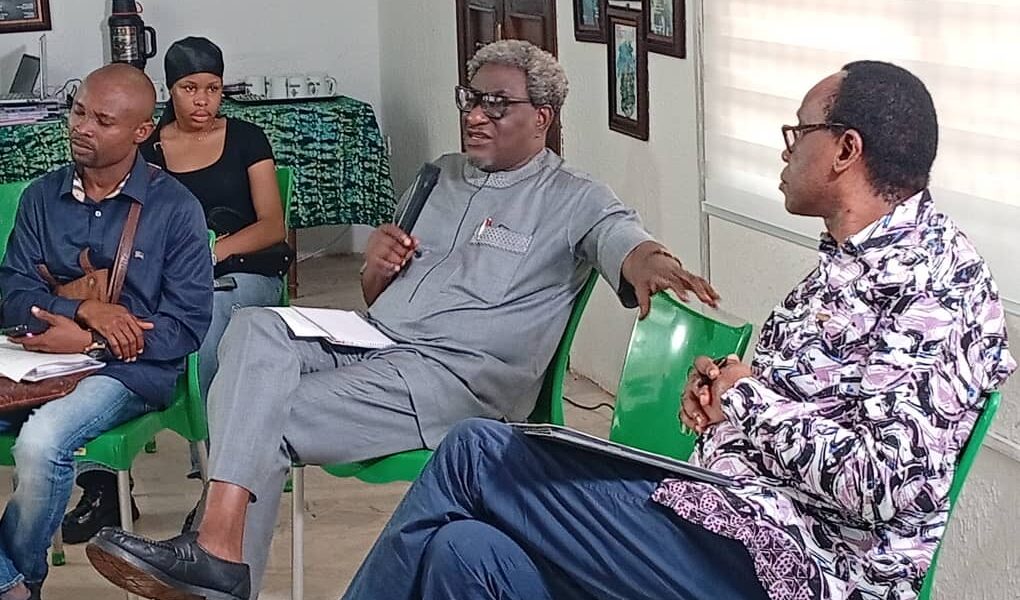
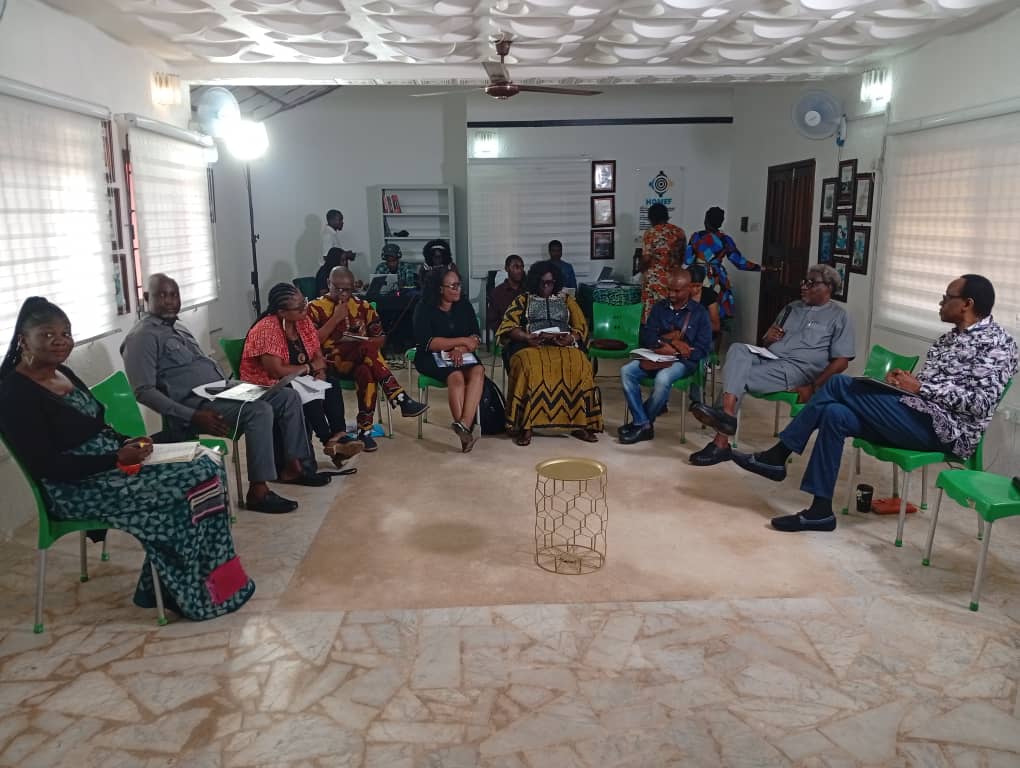
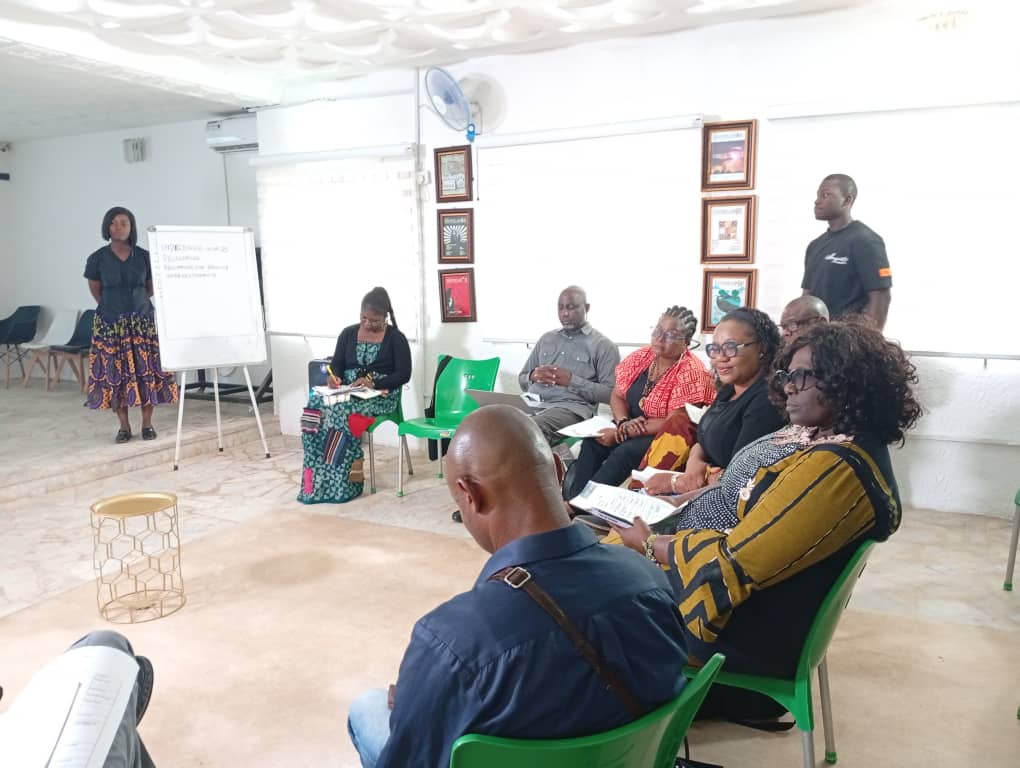
This call resonated strongly at the Wisdom Gathering 2025 organised by the Health of Mother Earth Foundation (HOMEF) at the Toronto Douglas Conference Hall, Benin City, where environmental experts and linguists emphasized the urgent need to decolonize the language of climate discourse.
Leading the conversation, environmentalist and HOMEF Director, Nnimmo Bassey, in his presentation titled “Ogonize and Yasunize: A Hidden Battle of Words,” said the fight for the planet begins with the reclamation of language. He argued that dominant global environmental terminologies are often shaped by Western institutions in ways that pacify rather than mobilize real action.
According to Bassey, “The world’s inaction on the climate crisis is partly a result of manipulative language. When we say ‘global warming’ instead of ‘climate chaos’ or ‘global heating,’ we make a catastrophe sound comfortable.” He further noted that words like “sustainability” and “net zero” have been weaponized by corporations to mask continued environmental harm, making it crucial for African movements to create authentic linguistic tools that reflect their lived realities.
Bassey explained that HOMEF’s latest linguistic innovations – ‘Ogonize’ and ‘Yasunize’ – were inspired by landmark community resistance struggles. Ogonize, he said, draws from the historic Ogoni movement in Nigeria’s Niger Delta that halted Shell’s oil operations in 1993, while Yasunize references the 2023 Yasuní referendum in Ecuador, where citizens voted to keep oil in the ground. Both words symbolize a moral and ecological stance to protect nature, cultural heritage, and community rights against extractive capitalism.
Echoing this call for linguistic liberation, linguistics scholar Dr. Kingsley Ugwuanyi presented a paper titled “Birthing Words for Campaigns and General Usage.” He stressed that words themselves are actions and can influence how societies respond to crises. “Naming is power,” he said. “What we call a thing determines how we react to it. If language can colonize, then language can also decolonize.”
Ugwuanyi highlighted the historical evolution of activist coinages such as boycott, strike, and climate justice, and encouraged African activists to birth their own terms that capture their struggles and aspirations. He urged movements to embed new words like Ogonize and Yasunize into songs, social media, art, and academic writing to ensure they “live, travel, and mobilize.”
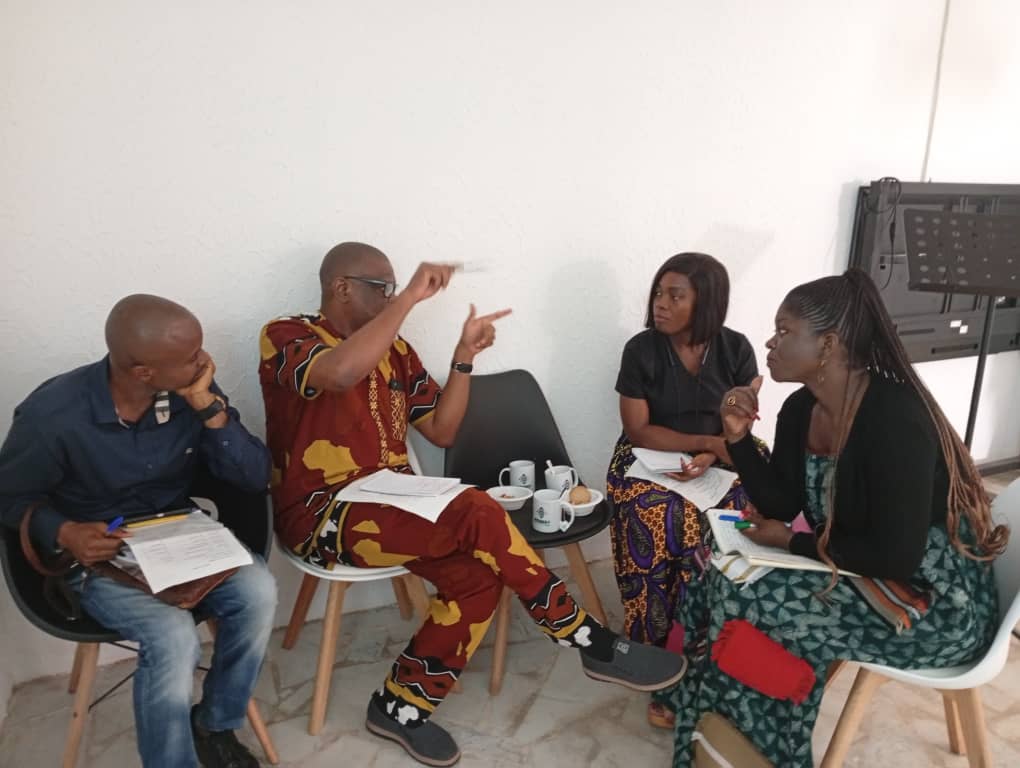
The gathering drew prominent figures in the advocacy and sustainability space, including Dr. Osagie Obayuwana, former Attorney-General and Commissioner for Justice in Edo State; Rita Uwaka, Interim Administrator of Environmental Rights Action/Friends of the Earth Nigeria (ERA/FoEN); Innocent Edemhanria, Programme Manager, Africa Network for Environment and Economic Justice (ANEEJ); and Comrade Cynthia Bright, Executive Director of Grassroots Women Empowerment and Development Organisation (GWEDO), among others.
In their contributions, participants agreed that reclaiming African epistemologies through language is vital to resisting environmental exploitation and redefining sustainability from a community-centered perspective.
Summing up the session, Bassey said, “To Ogonize and Yasunize is to resist the culture of exploitation, to stand for Ubuntu, and to protect Mother Earth. It is a call to rethink not just our actions, but the very words that define our struggles.”
The Wisdom Gathering reaffirmed the growing consensus that ecological justice must begin with linguistic justice — ensuring that Africa’s voices, words, and worldviews are at the center of global climate discourse.
The experts further advocated words such as Awua (forbidden),
Adamegbe (care for each other), Otoge (enough is enough), amongst others, as words that could reshape Nigerian narratives on Climate issues.