THE FUTURE OF MULTLATERALISM IN A FRACTURED WORLD – by Victor Oladokun

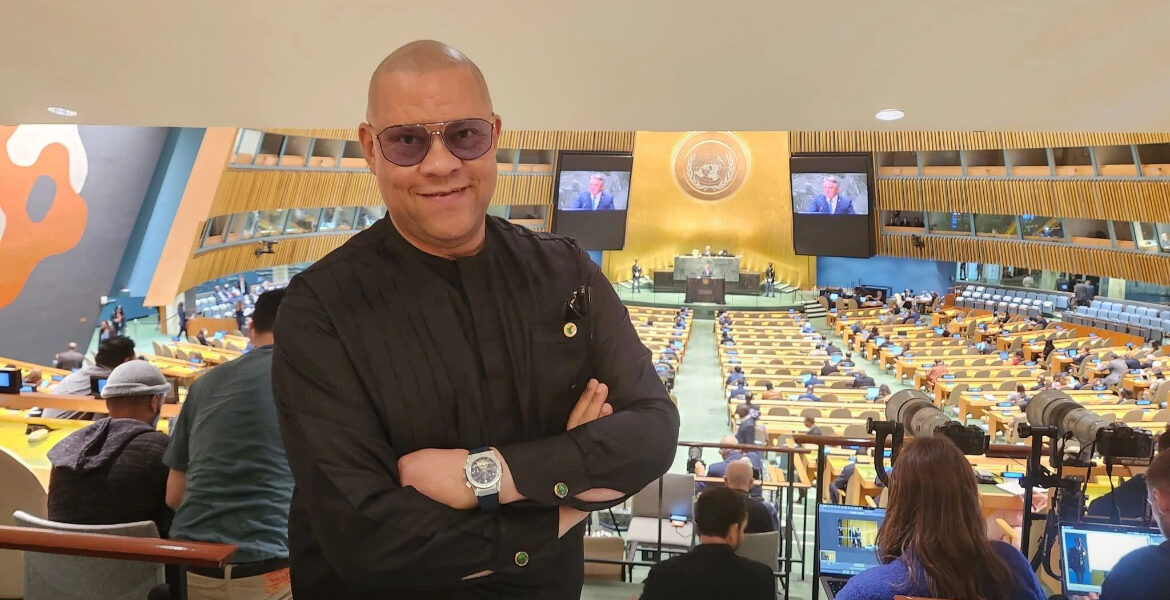
This week, global leaders arrive in NY City for the UN #GeneralAssembly’s 80th session. They will pause and reflect on eight decades of a system born from the ashes of war.
Amid the celebrations, a reality looms before us. Multilateralism is unraveling. It is in crisis and teetering on the edge of irrelevance.
The question is whether multilateralism can adapt to a world where Africa is no longer a peripheral player but a central force driving change. The continent’s priorities of sustainable development, peace, and equity, will be a litmus tests for multilateralism’s validity, viability, and relevance.
Why?
For too long, multilateral institutions have marginalized the Global South. The UN #SecurityCouncil, for example, with its 5 permanent members is a symbol of an outdated mode of thinking that is frozen in 1945 geopolitical realities.
Today, #Africa is home to over a billion people. This fact alone demands at least two permanent seats. It would reform the council and inject fresh legitimacy into it. However, it would also be met with resistance from entrenched powers not willing to have Africa at the table.
The challenges are profoundly interconnected. Africa’s extreme vulnerability to climate change, regional conflicts, and debt burdens have been worsened by global shocks and left many nations in distress.
Multilateralism’s response? Piecemeal at best.
The UN is grappling with its own liquidity crisis.
However, if multilateral institutions fail to integrate African-led solutions, the continent may pivot further toward partnerships with emerging powers like #China and #Russia.
The theme of this week’s UNGA, “#BetterTogether: 80 years and more for peace, development and human rights,” sounds great on paper. The litmus test will be whether or not there is a genuine commitment toward a more equitable arrangement with Africa at the table.
Without the continent’s full buy-in, any final resolutions will simply be another well-intentioned document gathering dust. And so, we must confront an uncomfortable truth …
… Multilateralism’s future rests on whether or not the West is willing to cede power!
The historical exploitation of Africa during colonial rule up until today’s fixation with resource extraction, breeds skepticism and mistrust. If #UNGA80 merely pays lip service to reform, it risks alienating the very demographic that will define the 21st century.
This week at #UNGA, the question isn’t whether multilateralism can survive, or whether it deserves to. The fact is, Africa isn’t waiting for permission to lead. It is already building the future.
The choice for the global community is clear. Either evolve with Africa at the center, or watch as the multilateral edifice crumbles under the weight of its own obsolescence.
The stakes at UNGA have never been higher!
- Dr Victor Oladokun is a strategic communications advisor and consultant